

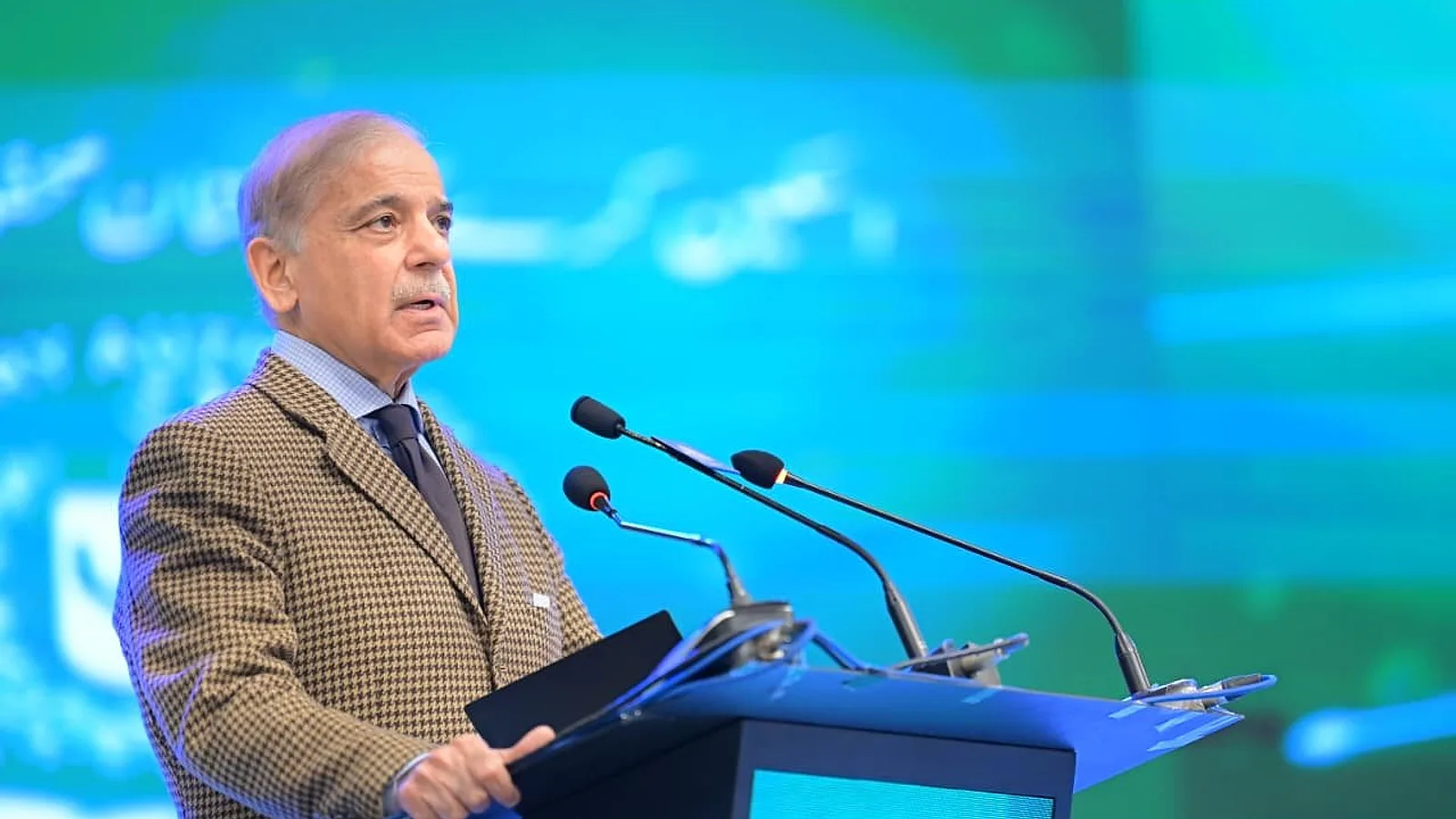
Pakistanis can now check whether the medicine in their hands is genuine by pointing a phone at its barcode. Prime Minister Shehbaz Sharif on Thursday launched Mehfooz Dawa (“safe medicine”), an app from the Ministry of National Health Services that matches a pack against the drug regulator’s national database and flashes green for a genuine product and red for a suspected fake.
The prime minister opened the app at the ceremony in Islamabad by scanning a medicine packet himself; the screen turned green. He called the launch a major milestone and said it would help restore public trust in the health system.
View this post on X
How the app works
The Drug Regulatory Authority of Pakistan (DRAP) chief executive, Dr Obaidullah Malik, said the app is built around three problems: counterfeit medicines, shortages and quality compliance. In practice it does four things:
- Verify: scan the barcode or batch number on the pack. The app checks it against DRAP’s database and shows a green screen if the product is genuine and a red screen if it is not.
- Check price and expiry: the scan also shows the medicine’s registered price and its expiry date, so a buyer can see if a pharmacy is overcharging or selling old stock.
- Complain: if the screen turns red, the user can lodge a complaint from inside the app, which DRAP says will go into its enforcement system.
- Report shortages: users can flag a medicine they cannot find, feeding an integrated rapid alert system meant to spot supply problems early.
Health Minister Mustafa Kamal said building the database had been an “uphill task”: around 700 pharmaceutical companies shared data on roughly 92,000 medicines. He said the colour signals were chosen so that people who cannot read well can still use the app, and that with nearly 200 million mobile phones in the country, it could reach almost everyone.
More than a decade in the making
The idea is not new. A barcode system for medicines was first proposed in 2015 and approved by the federal cabinet in 2017, but bureaucratic delays kept it on paper, Dawn reported. DRAP later set October 1 this year as the deadline for the barcode system, and its spokesperson Sajid Shah said earlier this month that the track-and-trace system had gone live on October 9. Thursday’s app is the public-facing end of that system. DRAP’s chief said all of the authority’s regulatory processes had now been digitised “end-to-end”.
The tragedy behind it
The prime minister tied the launch to an episode from his time as Punjab’s chief minister. In 2012 more than 100 heart patients treated at the Punjab Institute of Cardiology in Lahore died in a case blamed on counterfeit medicine. He said he sent samples to laboratories in London, Geneva and Paris, which found that the drug patients had been given was meant to treat malaria. At the time, he said, the federal regulator had insisted the medicine was fine.
“History will remember this step in golden words,” the prime minister said. He told the health ministry to work with the IT and information ministries on a public awareness campaign, and thanked IT Minister Shaza Fatima Khawaja and the teams behind the app.
He also set a test for the government that the app itself cannot meet. The “real point”, he said, was making medicines affordable: their prices had to match what ordinary people could pay, because getting medicine was a huge challenge for millions of families.
What we don’t know yet
- Coverage of older stock: the database covers about 92,000 medicines, but reports of the launch did not say how packs made before barcodes became compulsory will show up when scanned.
- What happens after a red screen: DRAP says complaints go into its enforcement system, but it has not published how quickly it will act or whether it will report results.
- Shortages: reporting a shortage is useful only if the ministry acts on it. Patients who went without one insulin brand this autumn, as we reported when a German maker halted supplies, will judge the app partly on this feature.
Why it matters
Fake and substandard medicines are hard for patients to spot and can do real harm, as the Lahore deaths showed. Until now a buyer had to trust the pharmacy. The app moves part of that check into the patient’s hands, and every scan that comes back red gives the regulator a lead to follow. Its value will depend on two things: whether people actually use it at the counter, and whether DRAP is seen to act on what they report. The price question the prime minister raised remains the bigger one for most families.
Comments
Comments are reviewed by our editors before they appear. Please keep them civil and on topic. See our terms.
No comments yet. Be the first to share your view.