

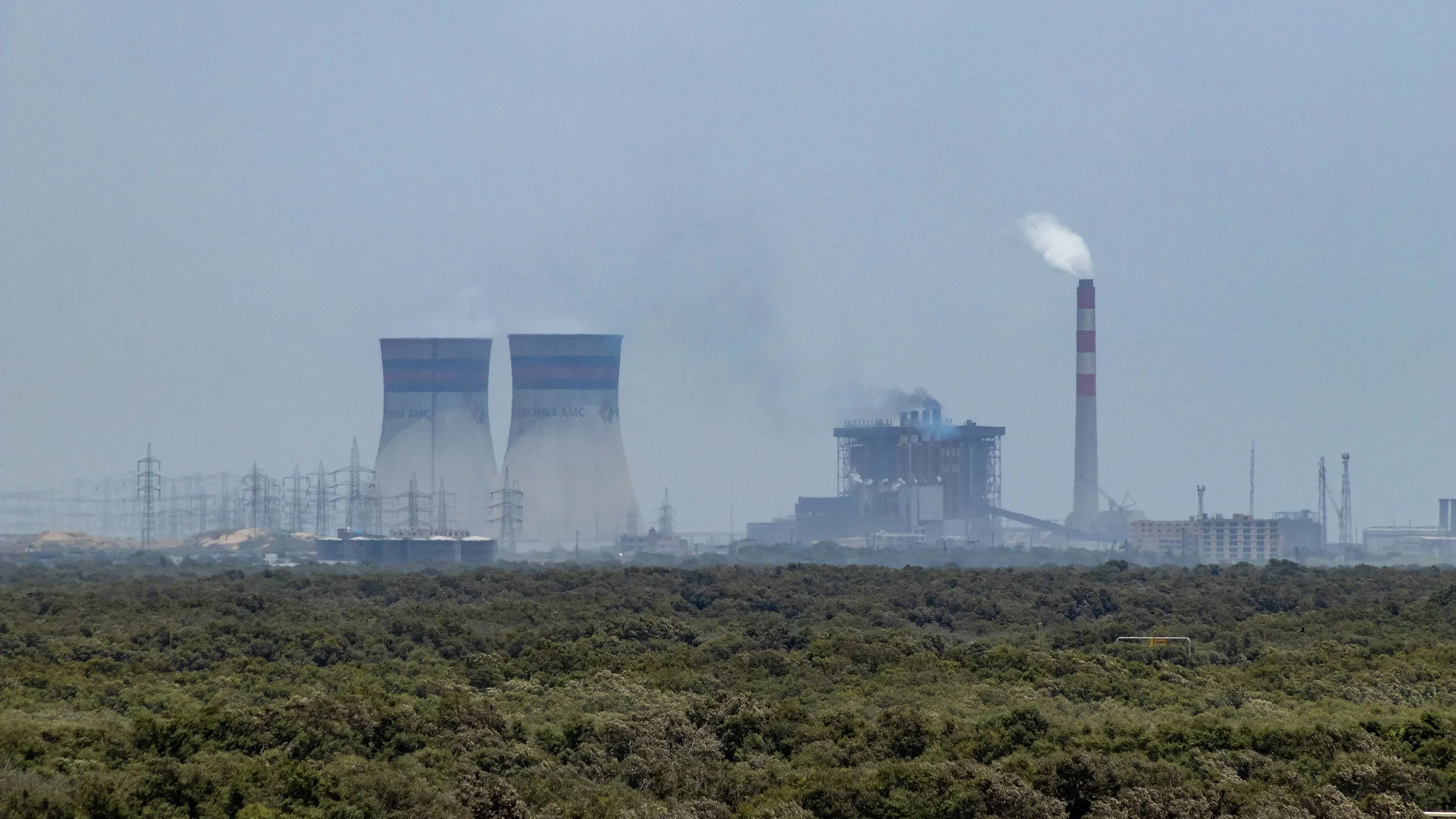
Pakistan’s power purchase price could reach Rs27.309 per unit in 2027, with total electricity procurement costs of Rs3.55 trillion, according to projections by the Central Power Purchasing Agency-Guarantee Limited (CPPA-G), Geo News reported, citing The News.
The figures are part of the rebasing of consumer electricity tariffs for the ex-Wapda distribution companies, due to take effect on January 1, 2027. The exercise will set the reference costs on which electricity tariffs are based for the new period.
The National Electric Power Regulatory Authority (Nepra) has scheduled a public hearing on the projections for 2pm on November 3 at Nepra Tower, with online participation also available. Interested and affected parties have been invited to file comments and objections.
What makes up the price
Under the base case, the cost breaks down as follows:
- Capacity charges: Rs1.91 trillion, or Rs14.717 per unit, the largest share
- Fuel costs: Rs1.32 trillion, or Rs10.141 per unit
- Variable operations and maintenance: Rs70.58 billion, or Rs0.543 per unit
- Transmission and Ministry of Finance charges: a combined Rs248.30 billion, or Rs1.909 per unit
The base case assumes demand growth of 2.60 percent a year, an exchange rate of Rs279 to the dollar and electricity sales of 130,081 gigawatt-hours to distribution companies.
Six scenarios
CPPA-G’s forecast ranges widely depending on fuel costs, the exchange rate and capacity payments:
| Scenario | Price per unit |
|---|---|
| Ideal case | Rs25.883 |
| RLNG and gas mix | Rs26.441 |
| Base case | Rs27.309 |
| Low demand growth (0.70%) | Rs27.568 |
| Worst case I | Rs28.835 |
| Worst case II | Rs29.255 |
In the two worst cases, the rupee is assumed to weaken to Rs290 against the dollar, compared with Rs279 in the other scenarios. The ideal case is cheaper mainly because of lower fuel expenses. The low-demand case assumes sales fall to 127,937 gigawatt-hours, reflecting lower sales volumes and revised capacity-cost assumptions.
All six scenarios assume a Karachi Interbank Offered Rate (KIBOR) of 11.70 percent, a US Secured Overnight Financing Rate of 3.98 percent, US inflation of 2.10 percent, domestic inflation of 8.20 percent and National Grid Company losses of 2.50 percent.
Not the final tariff
The projected price will be scrutinised by the regulator as part of the rebasing process. The November 3 hearing will give stakeholders a chance to present their views on the assumptions and cost projections behind the new consumer tariff framework from January 2027. It should not be read as the final retail tariff, which will depend on Nepra’s decisions and on taxes, duties, subsidies and other components.
The forecast shows capacity payments will remain the biggest part of power costs, while fuel prices and the exchange rate could push the overall price higher.
Why it matters
Electricity bills are already one of the heaviest burdens on Pakistani households and industry. The November 3 hearing is the chance for consumers and businesses to challenge the assumptions before the new tariffs are set for 2027. Read our report on the latest fuel adjustment in power bills.
This article draws on reporting by Geo News and The News.
Comments
Comments are reviewed by our editors before they appear. Please keep them civil and on topic. See our terms.
No comments yet. Be the first to share your view.