

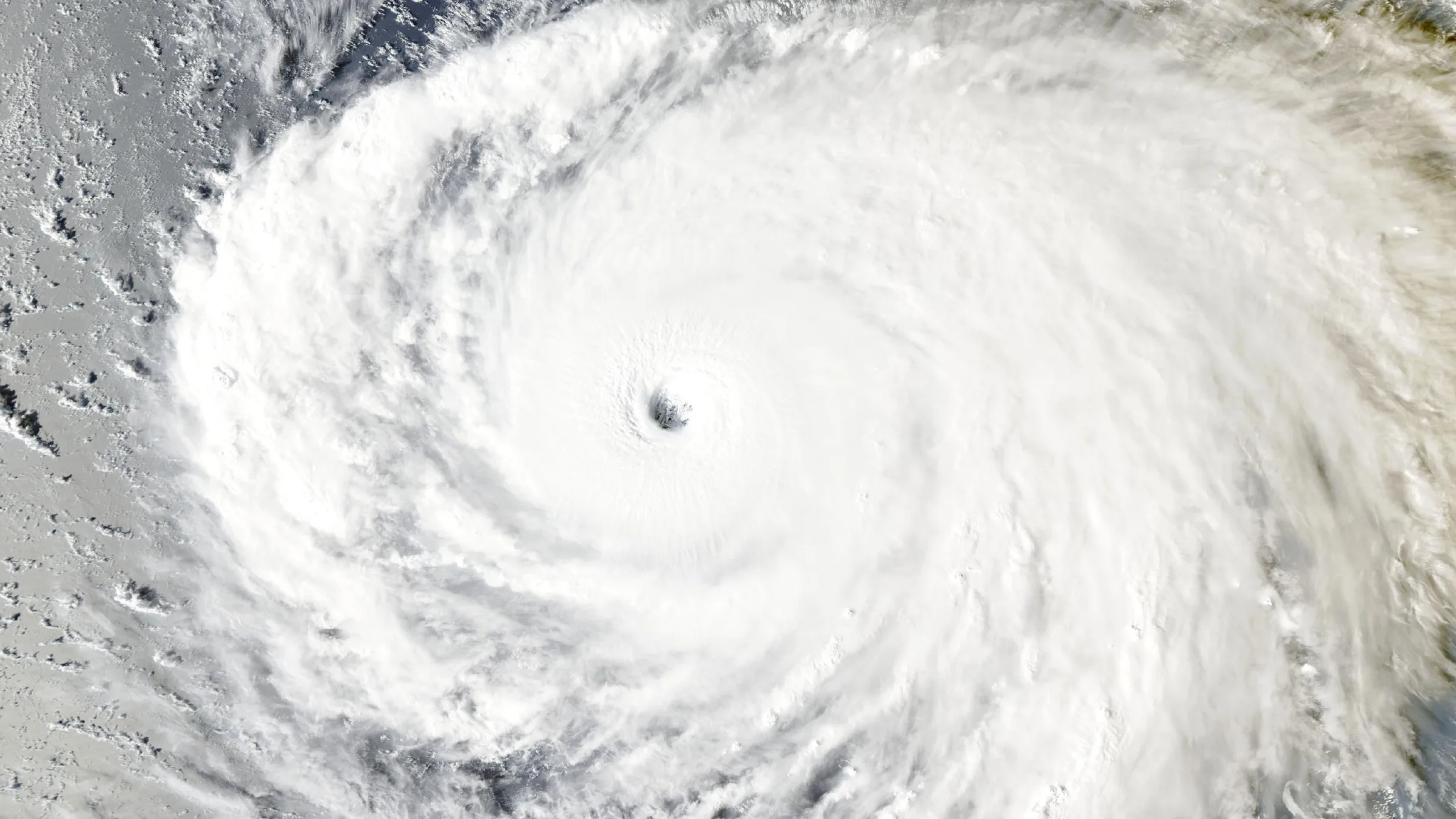
Almost all of Taiwan shut down on Friday ahead of the arrival of Typhoon Champi, which is forecast to bring strong winds and torrential rain, and could still make a direct landfall on the island even though the storm is weakening, Dawn reported, citing Reuters.
At one point a super typhoon and one of the strongest storms in the Pacific this year, Champi was still carrying gusts of about 191 kph near its centre, according to Taiwan’s Central Weather Administration (CWA). The storm was about 220 km east of the island.
The track and the risk
The forecast track shows the storm passing just off northeastern Taiwan, turning north towards the Chinese coast and then moving into southern Japan. CWA forecaster Liu Pei-teng told Reuters that a direct landfall could not be ruled out if the storm “stalls, loops, or wobbles from side to side” as it approaches. “The storm’s wind radius is quite large, among the bigger ones in recent years,” he said. “If the storm slows down, the strong winds will affect Taiwan for longer.”
Forecasters said its radius was about 320 km, large enough to cover most of Taiwan, and weather experts said its effects could last nearly two days. Nearly a metre of rain was forecast for northern mountain areas, including around Taipei.
Casualties and damage so far
One person has been killed and 171 injured in Taiwan, the government said. About 2,639 people were evacuated from mountainous areas. Taipower said more than 77,000 homes lost electricity, though supply had already been restored to most of them.
Coastal towns received mobile phone alerts warning of gusts above 150 kph and urging residents to seek shelter immediately.
What has been closed
- Schools and offices: closed across almost the whole island. Only the Kinmen islands, which lie beside the Chinese coast and are controlled by Taiwan, opened schools and offices as normal.
- Flights: the transport ministry said all 262 domestic flights were cancelled for Friday, along with 717 international ones, a total of 979.
- Markets: Taiwan’s financial markets were closed.
- Rail: the north-south high-speed rail service was running as usual, and in Taipei public transport, including the subway, was operating with reduced service despite squally showers.
Preparations on the ground
In the northeastern county of Yilan, where the typhoon was forecast to pass close by later on Friday, authorities handed out sandbags and put amphibious vehicles and inflatable rescue boats on standby. “When necessary, the military will come in to help people, including using amphibious vehicles for evacuations or disaster relief,” said Lee Ming-chen, head of the port town of Suao, which was badly flooded in earlier typhoons.
In the northern port city of Keelung, boat owners hurried to secure their vessels. “It’s not that severe; I’m just worried that there will be flooding,” said Liu Yu-en, an 18-year-old construction worker. “Keelung has seen a lot of flooding this year.”
Taiwan is generally well prepared for typhoons, which keeps casualties low. Typhoons are more common in summer, but they can strike in autumn too. After Taiwan, the storm is forecast to pass over Yonaguni, the westernmost inhabited island of Japan’s Okinawa Prefecture, before moving towards southern Japan.
Why it matters
The storm’s large size and the chance that it slows down mean the wind and rain could last longer than the forecast track suggests, which raises the risk of flooding and landslides in the mountains and coastal towns. The number of flights cancelled and the closure of markets also show how far a single storm can disrupt travel and business on the island. The coming hours, as Champi passes closest to Taiwan’s northeast, will show whether the damage stays limited or grows.
This article draws on reporting by Dawn and Reuters.


Comments
Comments are reviewed by our editors before they appear. Please keep them civil and on topic. See our terms.
No comments yet. Be the first to share your view.