

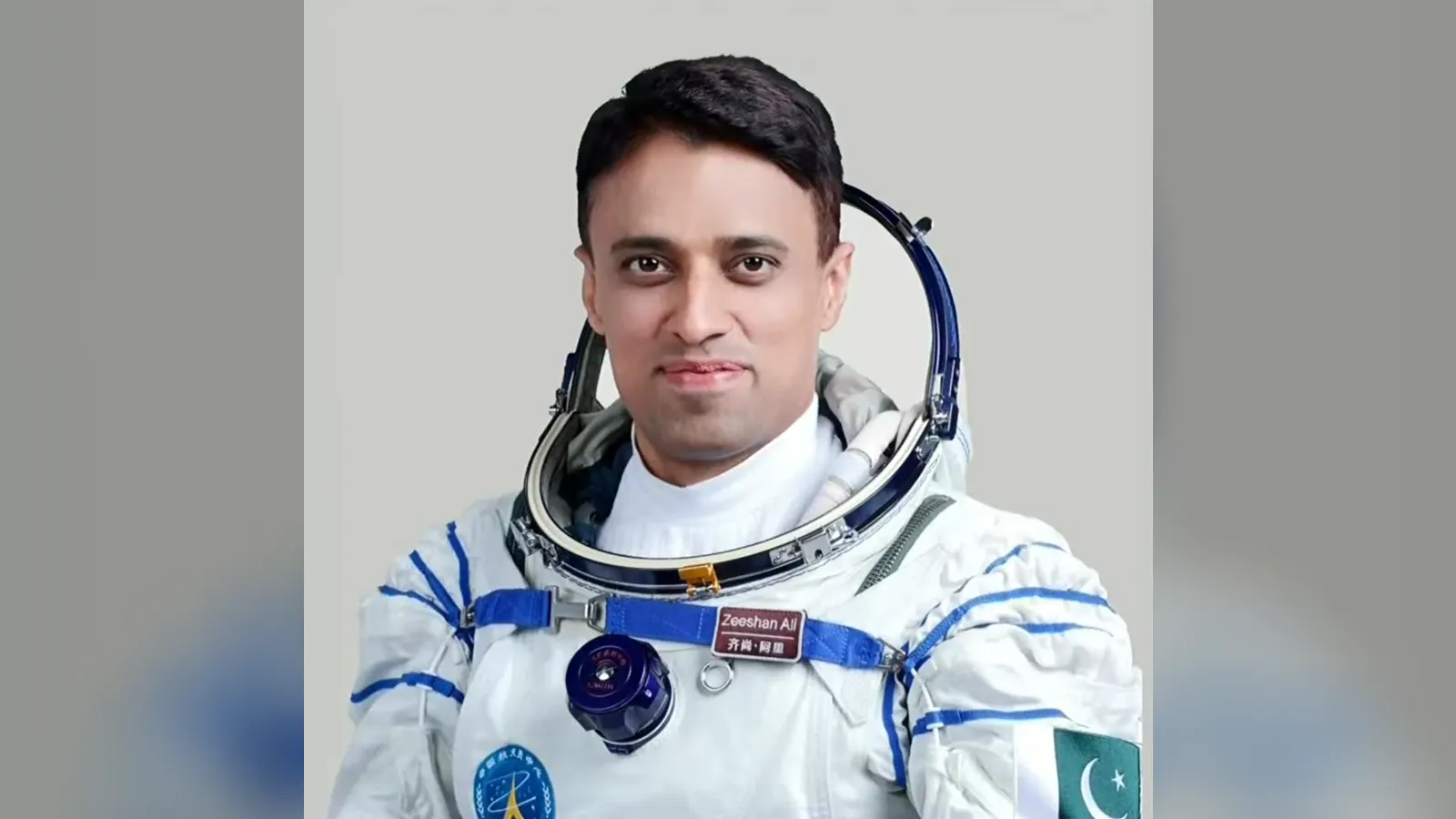
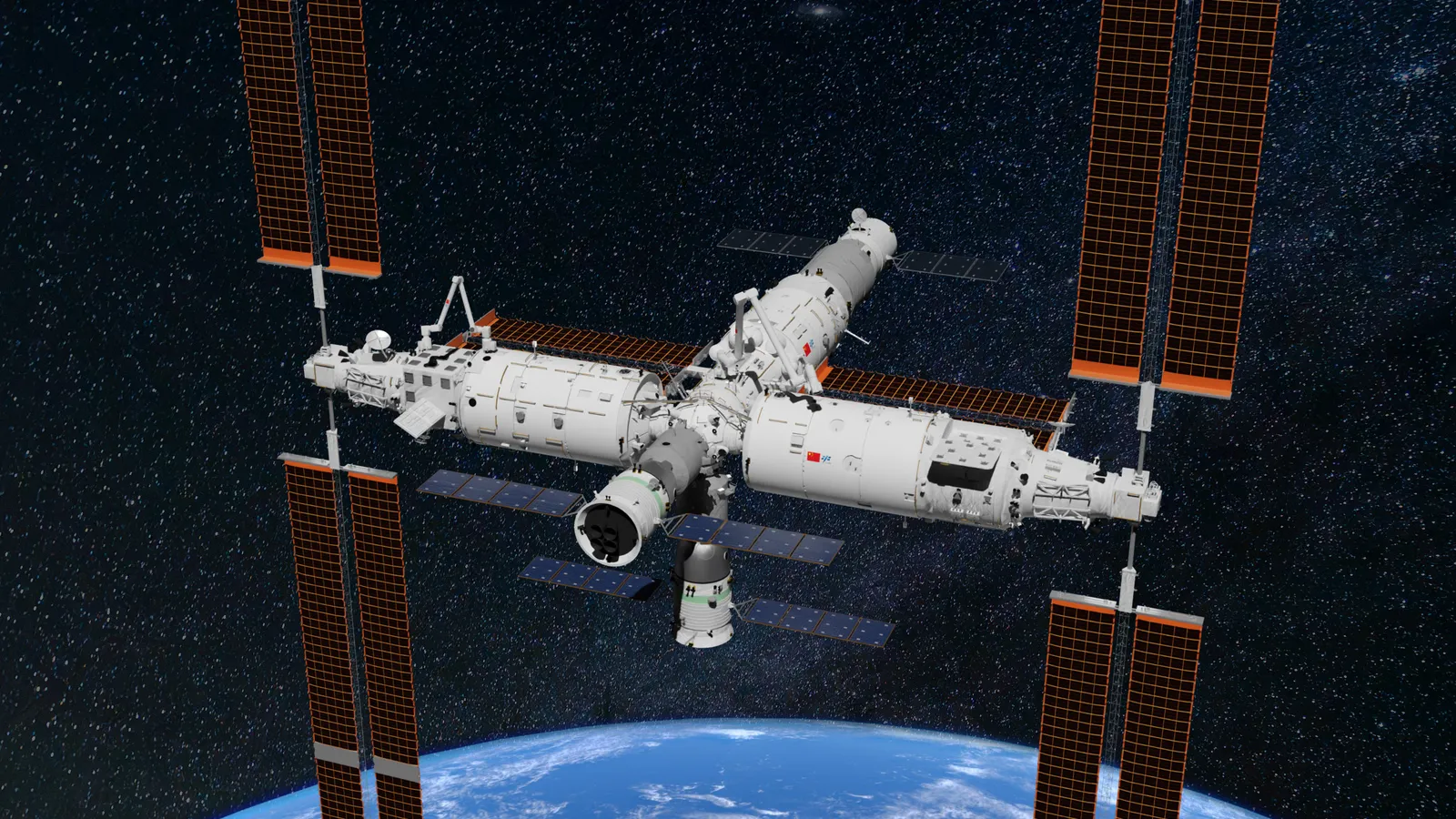
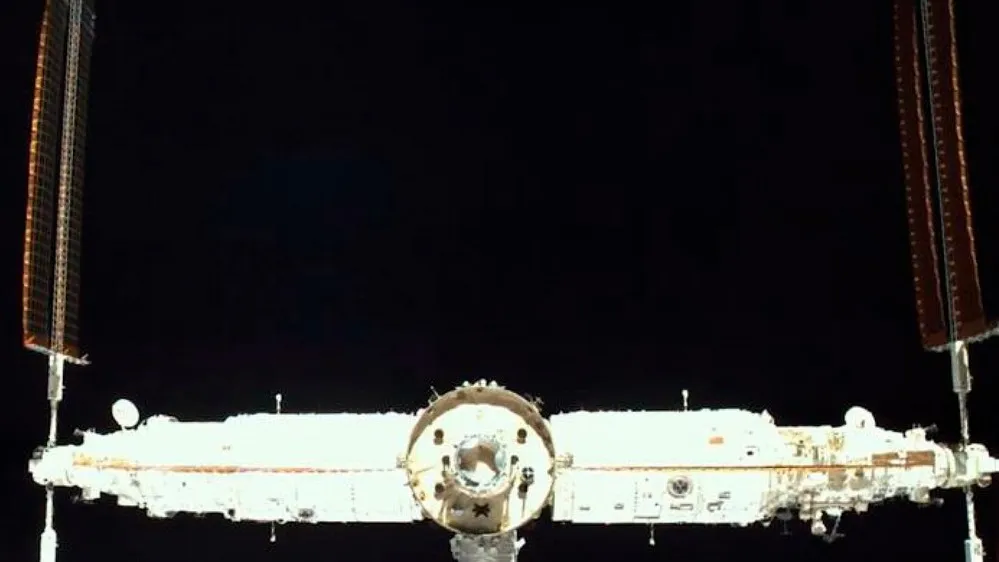
A Pakistani is in orbit for the first time. Zeeshan Ali, 40, reached China’s Tiangong space station on Wednesday morning aboard the Shenzhou-24 spacecraft, becoming the first astronaut from Pakistan and the first foreigner to enter the station. The spacecraft docked at 11:56am Pakistan time, about three and a half hours after a Long March-2F rocket carried it up from the Jiuquan launch site in north-western China, The Express Tribune reported.
Ali flies as a payload specialist, alongside Chinese crewmates Tang Hongbo, the commander, and Wu Yi, the flight engineer. His planned visit lasts between five and 10 days, much shorter than the six-month tours Chinese crews normally serve.
What happened on Wednesday
| Time (Pakistan) | Event |
|---|---|
| Tuesday | China’s crewed space agency names the Shenzhou-24 crew at a press conference at Jiuquan, confirming Ali’s seat |
| Wednesday morning | Long March-2F lifts off from Jiuquan with the three-member crew |
| 11:56am | Shenzhou-24 docks with Tiangong |
Planning Minister Ahsan Iqbal was at the launch site for the official send-off, with a Pakistani delegation. Pakistan’s Mission to the United Nations posted a clip of the moments before lift-off.
View this post on X
What the leaders said
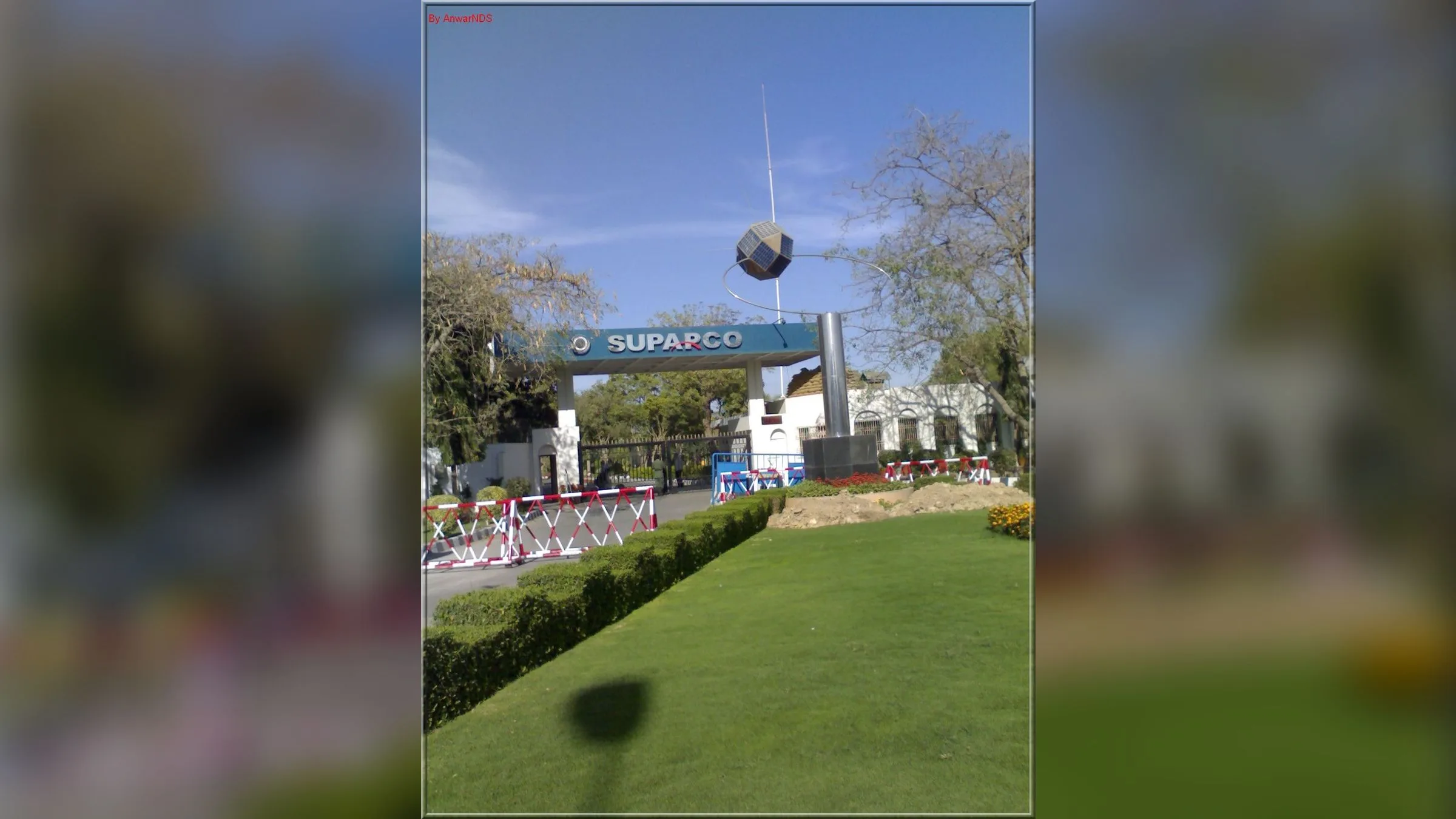
Prime Minister Shehbaz Sharif congratulated the nation, saying Pakistan had begun a journey “beyond the stars” that belonged to all of its roughly 240 million people, according to a post by his office. He thanked China for including Pakistan in the flight and credited Suparco, the national space agency, and the universities and scientists whose experiments are on board.
Iqbal, who has long pushed for the project, said he first floated the idea of a Pakistani astronaut with Chinese counterparts in 2017-18, once the China-Pakistan Economic Corridor had delivered its ground infrastructure. In his words, the friendship had gone from highways to information superhighways and now to the sky. He hopes the flight opens the way to more joint work in space, possibly a lunar mission.
Ali, speaking to reporters on Tuesday, said: “I’m not flying for myself. I carry the name of Pakistan on my shoulder.”
View this post on X
Seven months in Beijing
Ali spent seven months in Beijing preparing. Besides flight training, he studied Chinese intensively, picked up songs and poems, tried calligraphy and took up table tennis. Khurram Daud, the second Pakistani pilot selected for the final training programme, trained with him and served as backup. Iqbal said only one seat was available but the whole country valued Daud’s effort equally.
Background: how Pakistan got here
The flight did not come out of nowhere. In September we reported that two pilots were in final training in Beijing, with one of them set to fly. On 7 November Chinese state television said a Pakistani astronaut would join Shenzhou-24, without yet naming him. The two countries have worked together on space since the early 1990s: Chinese rockets have put Pakistani satellites into orbit, and a rover built in Pakistan is scheduled to ride on a Chinese moon mission around 2028.
What he will do and what comes next
Ali will help conduct experiments during his short stay, including one that tests how self-healing carbon fibre composites repair small cracks, a material of interest for spacecraft. The crew handover is unusual this time. Zhu Yangzhu, who commanded Shenzhou-23, is staying on for a year to support research into how the human body copes with extended spaceflight, which will give him the longest single Chinese stay in orbit. His Shenzhou-23 colleagues will head home with Ali.
If the stay lasts five to 10 days as reported, the return trip would fall roughly between 30 November and 5 December. Neither the Chinese space agency nor Pakistani officials had given a landing date in the reports we reviewed.
Why it matters
For Pakistan this is first of all a national moment, and the government is treating it as one. Beyond the celebration, it shows how close the two countries’ technical cooperation has become: China is presenting Tiangong as a hub for international partners at a time when the NASA-led International Space Station may be retired by 2030. For ordinary Pakistanis the measurable question is what follows. Suparco and the universities that sent experiments will want data returned, and the government has said it regards science and space research as a priority. Whether that becomes sustained funding, more astronaut seats or a Pakistani role in China’s lunar plans is not yet clear.
What we do not know
- The exact return date and landing site for Ali.
- The full list of Pakistani experiments on board and who will own the results.
- Whether a second Pakistani astronaut will fly, or whether the plan for a joint lunar mission that Iqbal raised will go ahead.

Comments
Comments are reviewed by our editors before they appear. Please keep them civil and on topic. See our terms.
No comments yet. Be the first to share your view.