
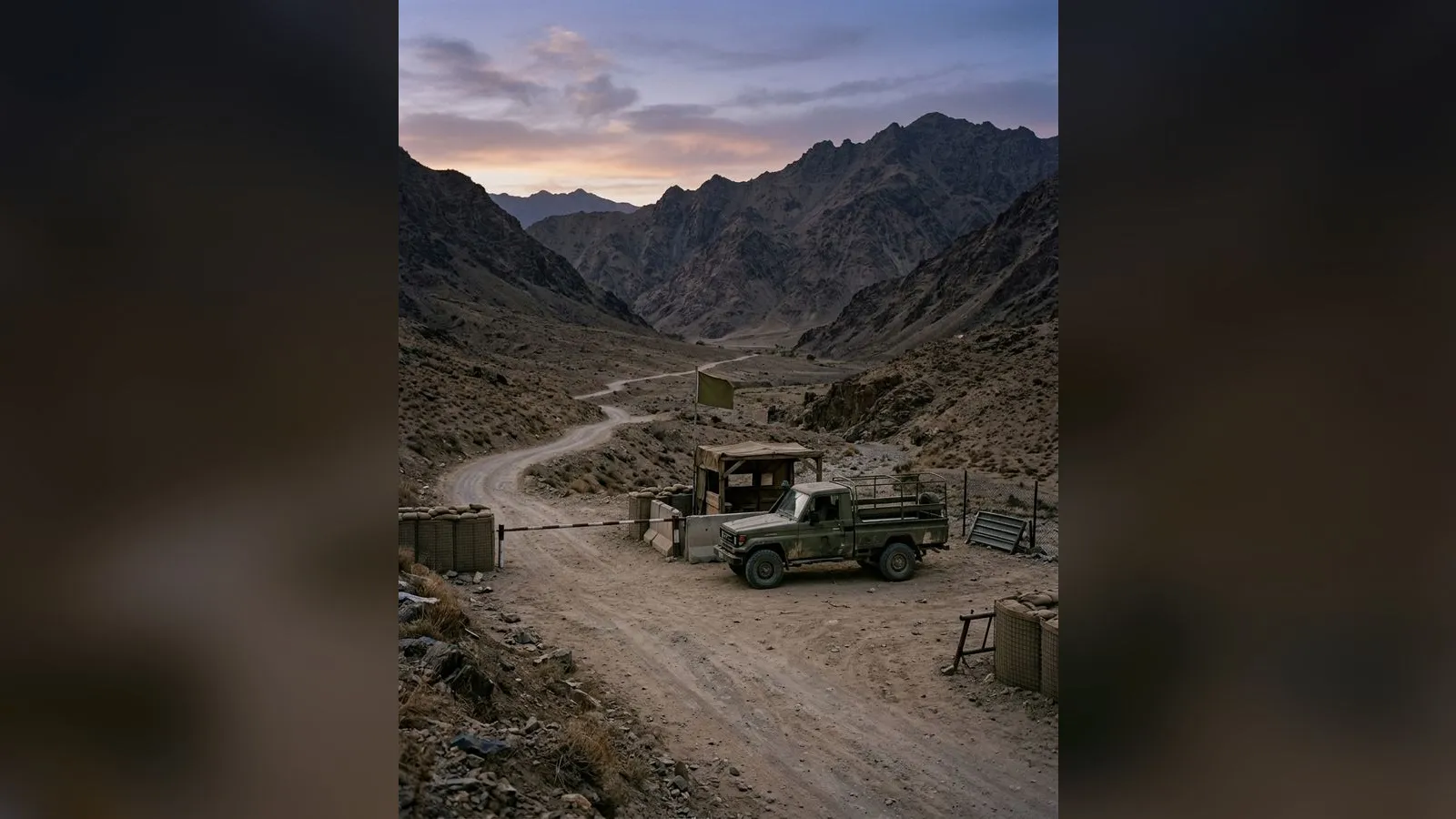
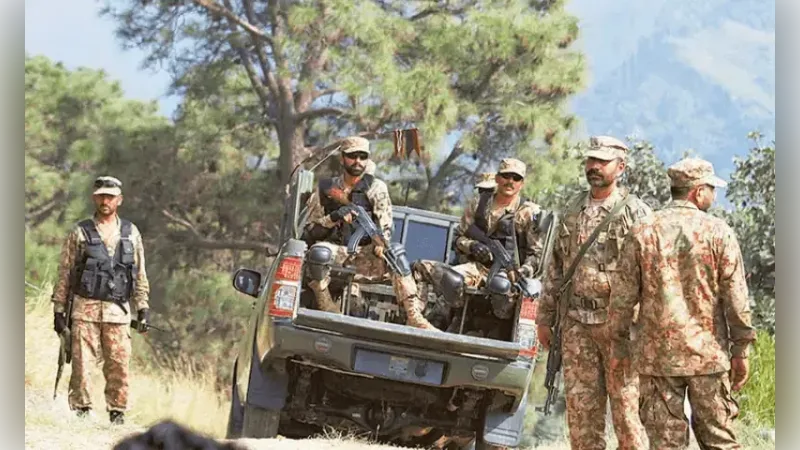
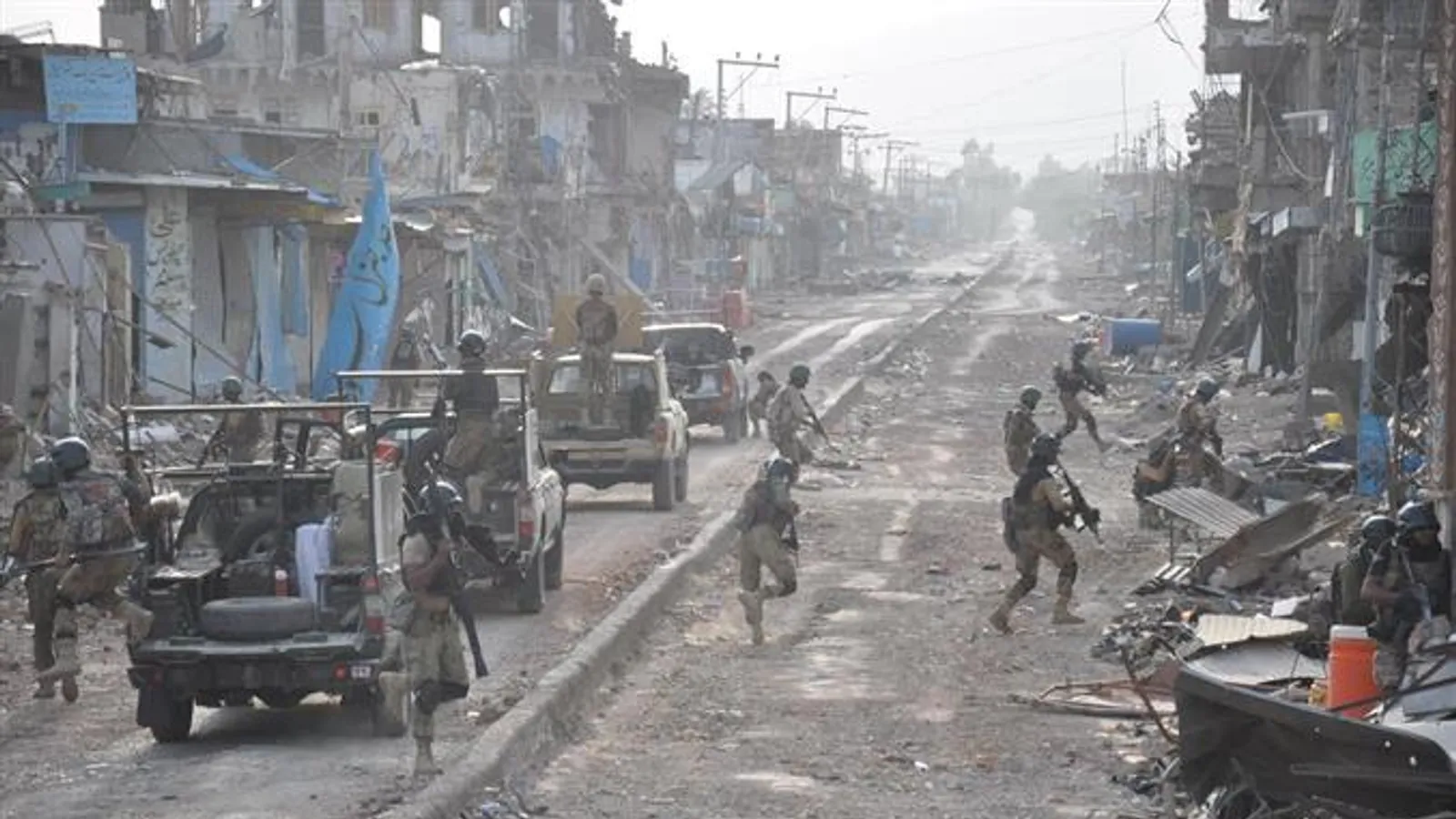
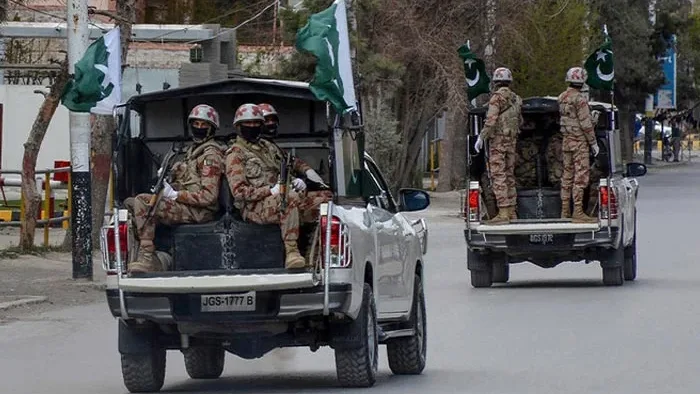
Security forces have cleared two militant hideouts in North Waziristan’s Mir Ali tehsil, and the army’s media wing says the buildings were inside mosques. In a statement on Monday, the Inter-Services Public Relations (ISPR) said troops carried out an intelligence-based operation in Muzak village, on the southern outskirts of Mir Ali, and recovered a large stock of explosives and weapons.
What ISPR said was found
According to the statement, the haul included a “huge cache” of ready-made improvised explosive devices (IEDs), material for making more, weapons and ammunition. The military said the militants belonged to what the state calls Fitna al-Khawarij, its label for the banned Tehreek-i-Taliban Pakistan (TTP), and that they had set up the hideouts inside mosques to store explosives. It also said they ran torture cells in the same buildings.
ISPR called this a “reprehensible desecration” of places of worship and said the group’s use of religion has nothing to do with Islam. The statement blamed India for sponsoring the group and said the militants were facilitated by the Afghan Taliban. These are the military’s claims. No independent account of the operation was available, so the details cannot be checked from our side.
The statement did not mention any militants killed or captured, or any casualties among troops. It said a clearance operation was continuing to find any other hideouts in the area.
Official reaction
President Asif Ali Zardari praised the troops’ “professionalism”. He said using mosques to store explosives and run violence “is a blatant violation of Islam’s fundamental teachings”. Khyber Pakhtunkhwa Governor Faisal Karim Kundi called the discovery “deeply distressing” and urged more intelligence-based operations across the province, Pakistan Television reported.
ISPR repeated that the counter-terrorism campaign under Azm-i-Istehkam, the government’s declared strategy against militancy, will go on “at full pace”.
The wider security picture
The operation comes in a period of heavy violence. The Pakistan Institute for Conflict and Security Studies (PICSS), an Islamabad think tank, recorded 49 militant attacks nationwide between October 30 and November 5, against 31 the week before. Those attacks killed 25 people and injured 21, according to its weekly review. PICSS described the security situation as volatile, with new activity in parts of Khyber Pakhtunkhwa and the former tribal districts alongside stepped-up operations by the state.
| Measure (PICSS, Oct 30 to Nov 5) | Figure |
|---|---|
| Militant attacks recorded nationwide | 49 |
| Attacks the previous week | 31 |
| Deaths in those attacks | 25 |
| Injured | 21 |
Operations in the same district are not new. On October 6 security forces said they killed five terrorists in a North Waziristan operation, and Dawn has reported that nine militants were killed in another operation in the district on October 8, a day after 18 were reported killed in separate engagements across KP and Balochistan. Each of those figures also comes from official statements.
Why it matters
Residents of North Waziristan have lived with operations, curfews and displacement for years, and a hideout in a mosque is the kind of detail that makes a local community’s position harder, both because of the sacredness of the building and because of the risk of collateral damage in any clearance work. The fact that the military says it found IEDs already prepared also suggests the group was planning attacks rather than only sheltering.
There are still open questions. ISPR has not said when the hideouts were set up, how long they had been in use, or whether local people had warned the authorities about them. It has not said whether the mosques have been handed back to the community, or what, if anything, residents were told. None of this is in the statement.
What to watch
- Whether ISPR issues a follow-up with casualty figures or arrests once the clearance is complete.
- The next PICSS weekly report, to see whether the rise from 31 to 49 attacks continues or levels off.
- Whether the government outlines new steps for local communities in Mir Ali after the operation.
Comments
Comments are reviewed by our editors before they appear. Please keep them civil and on topic. See our terms.
No comments yet. Be the first to share your view.