


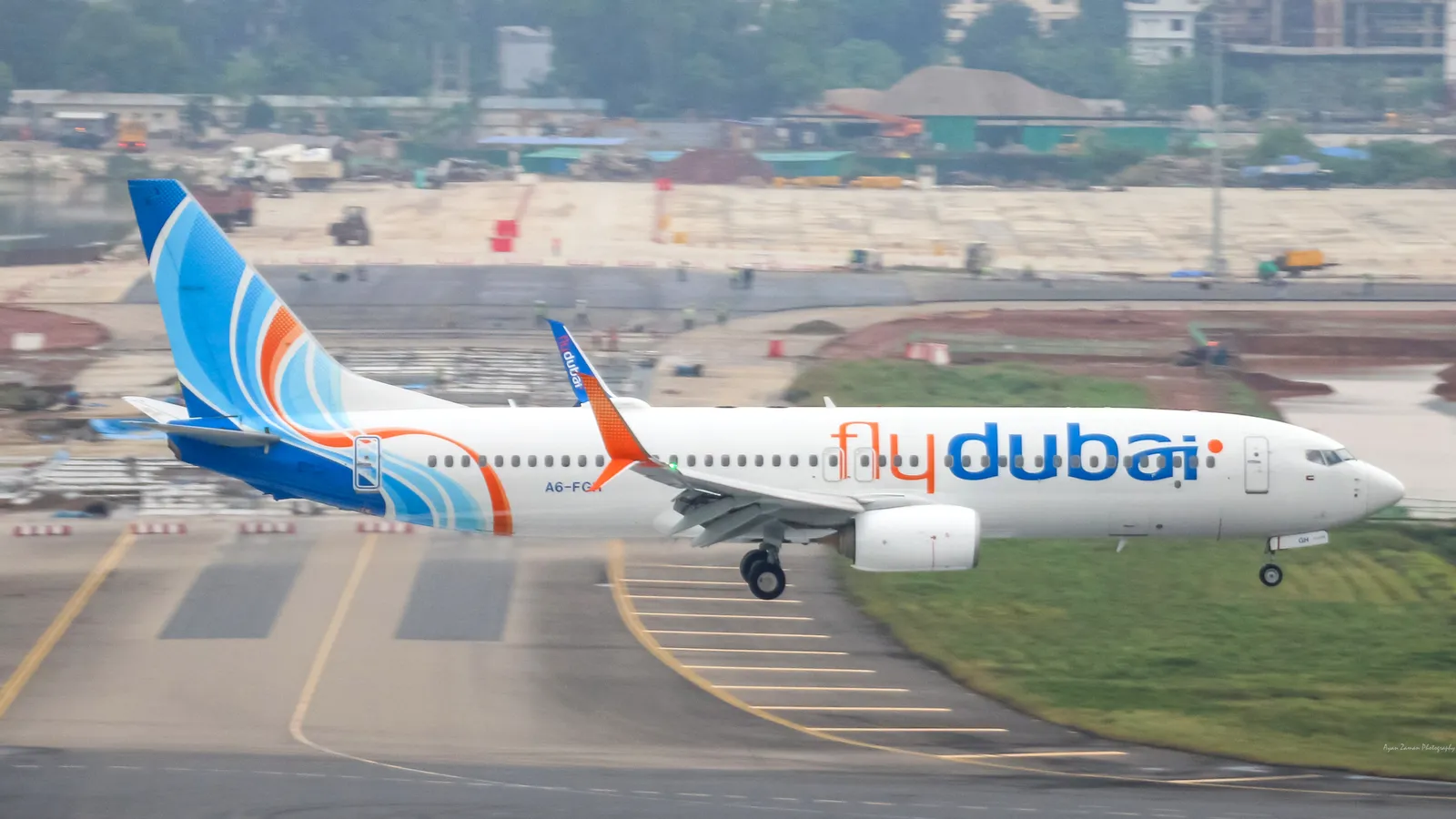
Saudi Arabia turned down a request from Israel to send its own aircraft into Saudi territory to retrieve passengers stranded after a flydubai flight made an emergency landing in the kingdom, according to two security sources briefed on the matter.
The sources said Israel had asked for permission to send military aircraft directly into Saudi Arabia, a country with which it holds no formal diplomatic relations, to transport the stranded Israeli passengers out. One of the sources said the Israeli air force had Super Hercules transport planes on standby for the operation before Riyadh declined the request. Flydubai confirmed that the affected passengers would instead continue their journey aboard the airline’s own aircraft, resolving the immediate logistical issue without requiring any direct Saudi Israeli coordination.
The episode stemmed from a violent incident aboard a flydubai flight traveling from Dubai to Tel Aviv. According to Israeli Prime Minister Benjamin Netanyahu, the aircraft’s co-pilot stabbed the pilot and attempted to deliberately crash the plane mid-flight. Passengers on board managed to subdue the co-pilot, allowing the remaining crew to safely divert the aircraft and land it in Saudi Arabia rather than continuing to Tel Aviv as scheduled. The incident has since drawn scrutiny from multiple governments. The United Arab Emirates’ attorney general ordered a formal investigation into the matter, given flydubai’s status as a UAE based carrier, while President Donald Trump weighed in separately, suggesting the co-pilot may have been either a terrorist or, in his words, a “whack job,” without offering further detail on which he believed more likely.
The awkward logistics of retrieving the stranded passengers highlight a broader, long running stalemate between Saudi Arabia and Israel over the Abraham Accords, the US brokered framework that has normalized diplomatic relations between Israel and several Arab governments since 2020, including the UAE, Bahrain, Morocco and Sudan. Trump has continued pushing Riyadh to join the accords since returning to office, viewing Saudi participation as the framework’s most significant remaining prize given the kingdom’s size, wealth and influence across the Muslim world. Saudi officials have consistently resisted that pressure, maintaining that normalization with Israel cannot move forward without a credible, concrete pathway toward Palestinian statehood first, a position the kingdom has held firm on even as other regional governments have moved ahead with normalization independently.
Separately, speculation has circulated over whether Saudi and Israeli officials met informally during Netanyahu’s recent trip to the United Arab Emirates, after Israeli media reported he held talks with several regional officials, including one from Saudi Arabia. A senior Saudi official denied any such meeting took place, pushing back on the reports a day before news of the rejected passenger request emerged, underscoring how sensitive any suggestion of direct contact between the two governments remains, even at the level of unofficial sideline conversations.
The incident, however minor in isolation, illustrates a recurring pattern in Saudi Israeli relations: even straightforward, non political logistical matters, such as moving a small group of stranded travelers, cannot proceed through any direct diplomatic or military channel, since none currently exists between the two governments. That absence forces workarounds like flydubai’s own aircraft completing the journey instead, a reminder of how far the two countries remain from the kind of normalized relationship Washington has spent years attempting to broker across the region, even as cooperation on other fronts, intelligence sharing, regional security and economic ties, has quietly deepened in less visible ways over recent years.
Comments
Comments are reviewed by our editors before they appear. Please keep them civil and on topic. See our terms.
No comments yet. Be the first to share your view.