

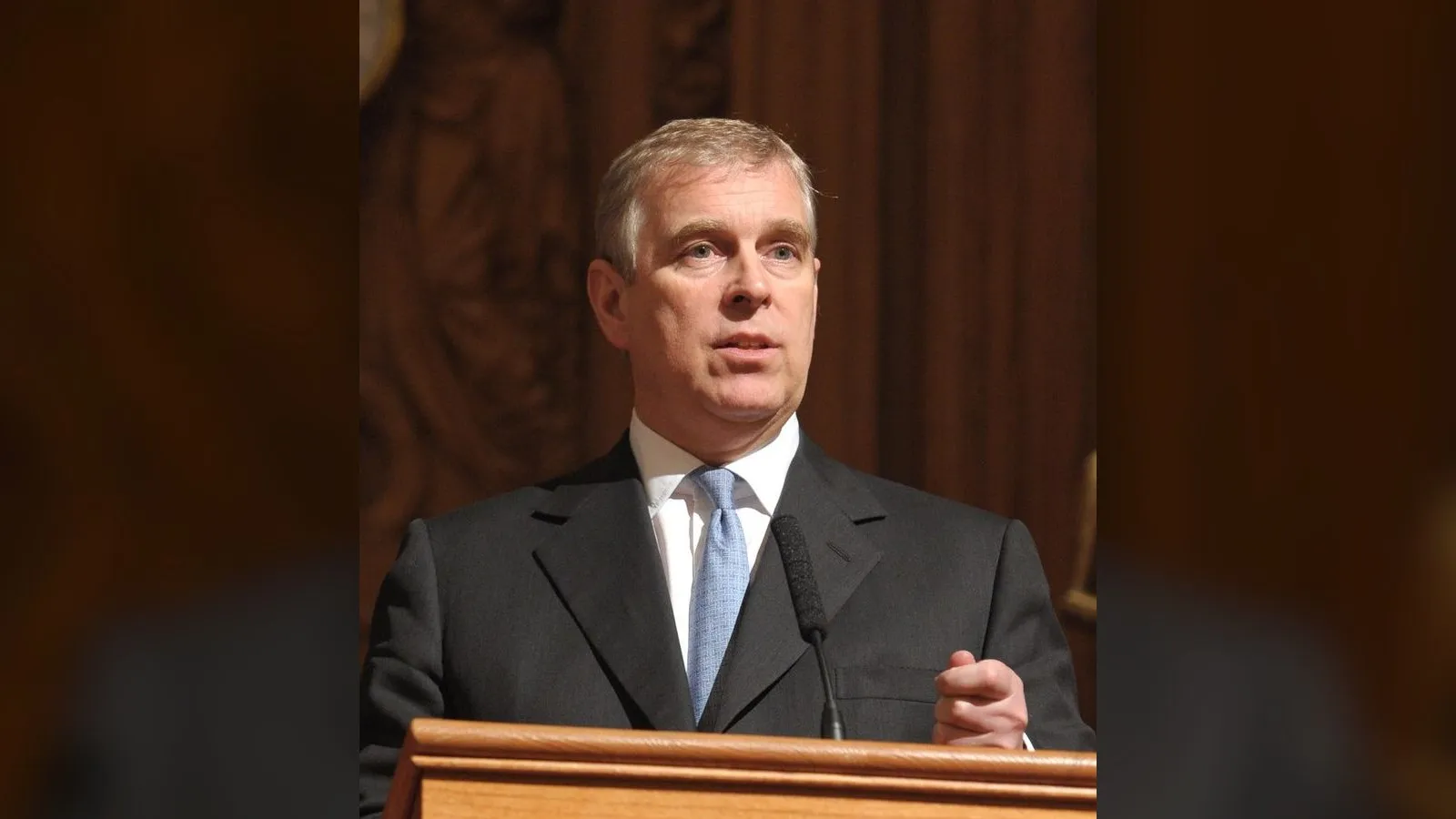
British police have accepted that the search warrants used on properties linked to Andrew Mountbatten-Windsor, King Charles’s younger brother, were wrongly granted and must be quashed, a setback for their investigation into his ties with the late sex offender Jeffrey Epstein.
Thames Valley Police said on Thursday that it accepted the warrants had not been properly issued, after Andrew applied to have them quashed, Dawn reported, citing Reuters.
“We accept the position that the initial court’s decision to issue warrants under the specific piece of legislation used was incorrect and therefore these must be legally quashed,” a police spokesperson said.
What happens to the evidence
The police said legal proceedings were under way to decide how material seized during the searches would be handled, and whether it could lawfully be kept to support the investigation.
“Legal proceedings are currently ongoing to decide how material seized during the searches will be managed and whether we can lawfully retain it in support of our ongoing investigation,” the spokesperson said.
The force stressed that its criminal investigation, which began after the US Department of Justice released millions of documents relating to Epstein, was continuing.
The hearing
According to Geo News, the agreement between Andrew and the police was confirmed at a hearing at the Royal Courts of Justice in London on Thursday, which Andrew did not attend. The warrants had been issued on February 18 by a judge at the Old Bailey, and authorised searches of his properties at Sandringham in Norfolk and in Windsor, Berkshire.
Buckingham Palace has said the legal action is “a matter for him and his legal team”, and has made clear that he cannot use the King’s money to fund it, Geo News reported.
When the challenge was first announced on Monday, Britain’s judiciary described it as unprecedented for a royal in modern times.
The case against him
Andrew was arrested on February 19, his 66th birthday, on suspicion of misconduct in public office. He is suspected of leaking confidential government documents to Epstein while serving as a British trade envoy between 2001 and 2011.
He has not been charged. He denies any wrongdoing in relation to Epstein and has said he regrets their friendship.
The investigation followed the US release of about three million Epstein files, including emails in which Andrew appeared to share potentially confidential information with the financier. At least nine British police forces are looking into claims arising from the files.
A long fall
Andrew, the second son of the late Queen Elizabeth, was stripped of his royal titles last year and moved out of his Windsor home over his links to Epstein. His arrest, and anger over the friendship, left the royal family facing one of its worst crises in 90 years, according to Reuters.
He has always denied claims by Virginia Giuffre, one of Epstein’s accusers, that she was trafficked to have sex with him as a teenager, and in 2022 settled a US civil lawsuit she brought, without admitting liability.
Why it matters
The ruling hands Andrew a legal win and raises questions over how the police obtained the warrants. Whether officers can keep the material they seized will now decide how much of the evidence gathered in February can still be used in the investigation.
This article draws on reporting by Dawn, Geo News and Reuters.

Comments
Comments are reviewed by our editors before they appear. Please keep them civil and on topic. See our terms.
No comments yet. Be the first to share your view.