
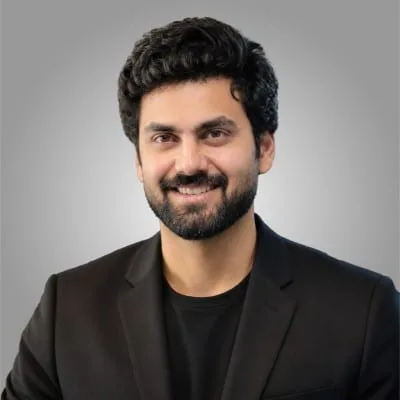
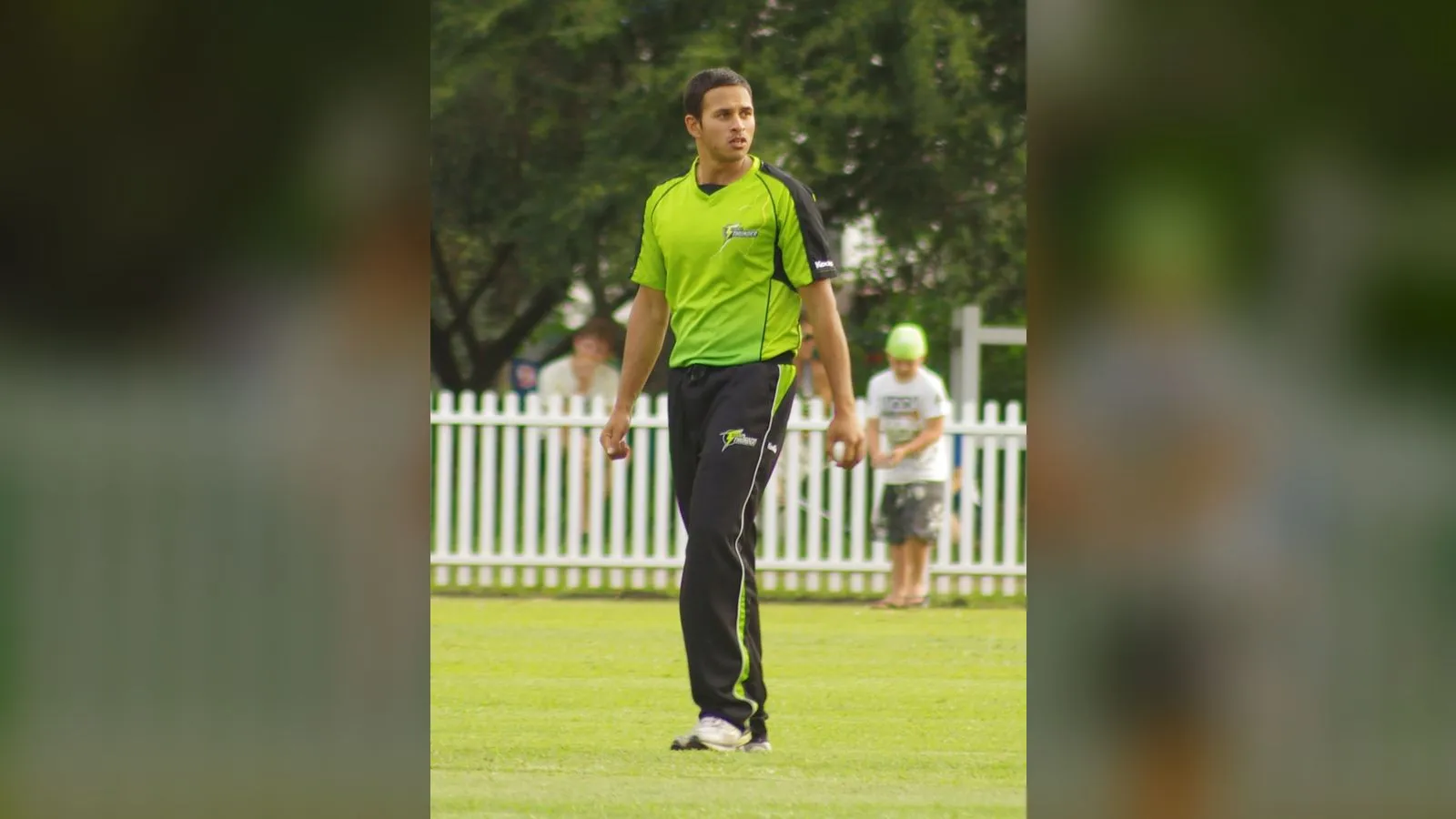
Usman Khawaja, the Islamabad-born batter who opened for Australia for years, has pulled out of media appearances to promote his autobiography after an awkward television interview that reopened one of cricket’s biggest scandals. Australian media reported on Wednesday that he cancelled the events, hours after refusing on live television to say whether Australia’s bowlers knew about the 2018 ball-tampering plan in South Africa.
What the book says
Three players were punished over the “Sandpapergate” affair at Newlands in 2018: Steve Smith, David Warner and Cameron Bancroft. In his book, “Sabr”, Khawaja writes that knowledge of the plan to alter the condition of the ball was not limited to those three, and that the whole team should be held responsible.
On the ABC’s “7:30” programme on Tuesday he was asked directly whether captain Pat Cummins and the other bowlers knew sandpaper was being used. He did not answer yes or no. Instead he replied that Cummins, Starc and others in that team are his friends, adding that he is “not here to go on a witch hunt” and only wants the team to take accountability.
He said he hoped other teammates would come forward and talk honestly about 2018, but that he was not forcing anyone and was not asking Cricket Australia (CA) to reinvestigate. “I’m literally sharing my version of the truth,” he said.
Who has said what
| Person | Position |
|---|---|
| Usman Khawaja | Says the team as a whole should take accountability; refuses to name names; not calling for an inquiry |
| David Warner | Says Khawaja’s account is “100 per cent accurate”; he was banned for a year and described by CA’s investigation as the plot’s chief architect |
| Mitchell Starc | Denies prior knowledge of the tampering |
| Pat Cummins | Said last month that Khawaja had warned him about the book and that he was relaxed about it |
| Todd Greenberg (CA chief executive) | Sees “no compelling reason” for another investigation |
The pressure on Cricket Australia
Mr Greenberg has ruled out a new probe, but the pressure is mounting. Editorials in two major newspapers have called for action, and The Australian newspaper has urged Mr Cummins, as captain, to speak. Simon Longstaff, who led the cultural review of Australian cricket after the scandal, wrote that Khawaja’s and Warner’s claims had shone a light on the “darker corners” of the men’s game. He warned that if the late claims are proved true, the damage could be as great as the original tampering.
Khawaja and his publisher, Penguin, did not immediately answer requests for comment about the cancelled events, and the book’s claims have not been tested by any investigation.
Why it matters
The claim at the centre of this row is simple: whether more people in the team knew than the three who were punished. If so, the penalties of 2018 were applied to some of the people involved and not others. The leading voices in the case are not neutral: Khawaja has written a book and has a view; Warner was punished and has a stake; Starc and Cummins are current players with a reputation to protect. That is why an inquiry, if one is held, would matter more than any one person’s account.
For readers in Pakistan there is a personal angle. Khawaja was born in Islamabad and was Australia’s first Muslim Test cricketer, so his story is followed closely in Pakistan, where many fans see him as one of their own.
For cricket at home, see our report on day two of the Rawalpindi Test.
What we do not know
- Whether he will reschedule the cancelled events.
- Whether the Australian bowlers will say publicly what they knew.
- Whether the pressure on CA will lead it to change its position.
What to watch is any statement from Pat Cummins, whether CA’s board reconsiders, and whether more former players back or dispute Khawaja’s account.
Comments
Comments are reviewed by our editors before they appear. Please keep them civil and on topic. See our terms.
No comments yet. Be the first to share your view.