

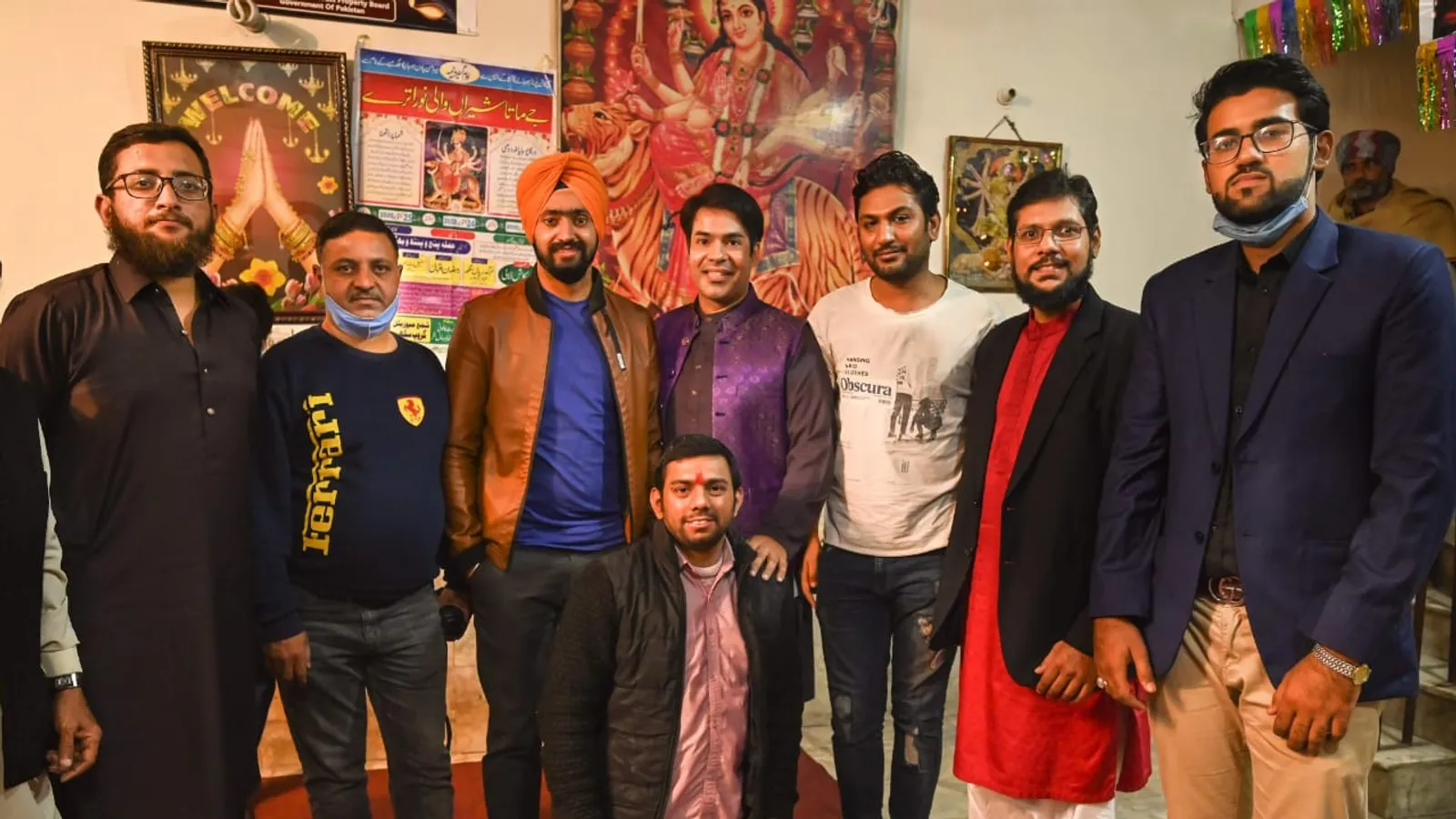
Religious minorities in Pakistan continue to face violations of their fundamental rights, including through the misuse of blasphemy laws, forced marriages and conversions, hate speech and discrimination, despite recent laws meant to protect them, the Human Rights Commission of Pakistan (HRCP) said on Thursday.
The findings are in the HRCP’s seventh annual report on freedom of religion, “Sanctuary Denied: Freedom of Religion or Belief in 2025/26”, Dawn reported.
The report’s findings
- Blasphemy cases: scores of people accused of blasphemy remain in legal limbo, while alleged members of an “organised entrapment network” have yet to be investigated
- Ahmadis: two attacks in Chenab Nagar in October 2025 and June 2026, and “increasingly overt attempts” to exclude Ahmadis from public and commercial life
- Girls: Christian and Hindu girls continue to face abductions and forced marriages, made worse by poverty and weak police responses
- Equal citizenship: discriminatory hiring, changes to school curricula and the sidelining of minority concerns in the media
HRCP Director Farah Zia warned that the state’s approach to minorities was becoming increasingly exclusionary. Former HRCP chairperson Hina Jilani said: “Democracy should have no concept of ‘minority’ and ‘majority’.”
Minority rights defender Nabila Feroz Bhatti highlighted the case of Kamran Gill, a Christian medical practitioner from Sheikhupura whose dispensary was set on fire by a mob on October 9 after allegations about social media content. HRCP Punjab vice-chair Raja Ashraf said blasphemy accusations had become a “means of exploiting and endangering vulnerable people”.
Progress, but slow
The HRCP welcomed the National Commission for Minorities Act 2025 and laws in Punjab and Balochistan raising the minimum marriage age to 18. But it noted the minorities commission had still not been set up months after the law was passed.
What the HRCP recommends
- Minorities commission: constitute it without delay, frame its rules and appoint its chair and members
- Data: publish yearly figures on blasphemy cases, mob violence, forced conversion complaints and prison conditions
- Marriage age: Khyber Pakhtunkhwa should set the minimum age at 18 for both men and women
- Policing: training on freedom of religion for police and the FIA, better crowd control and community policing to stop mob violence
- Jobs: end hiring practices that confine many minorities to sanitation work
- Conversions: these should take place in court or before a government official
- Investigations: cases under Section 295-C should be investigated by senior officers
- Places of worship: implement the Supreme Court’s 2014 judgment, protect and reopen places of worship, and demolish none without a court order
It also urged an overhaul of the Evacuee Trust Property Board to make it more transparent and representative, and a review of school curricula to promote pluralism.
Why it matters
Pakistan’s Constitution promises equal rights to all citizens. The HRCP says the laws are improving, but until the minorities commission exists and police stop mobs, those promises will not reach the people who need them most. Read our report on the Supreme Court’s judgment on women’s right to refuse marriage.
This article draws on reporting by Dawn and The Express Tribune.
Comments
Comments are reviewed by our editors before they appear. Please keep them civil and on topic. See our terms.
No comments yet. Be the first to share your view.